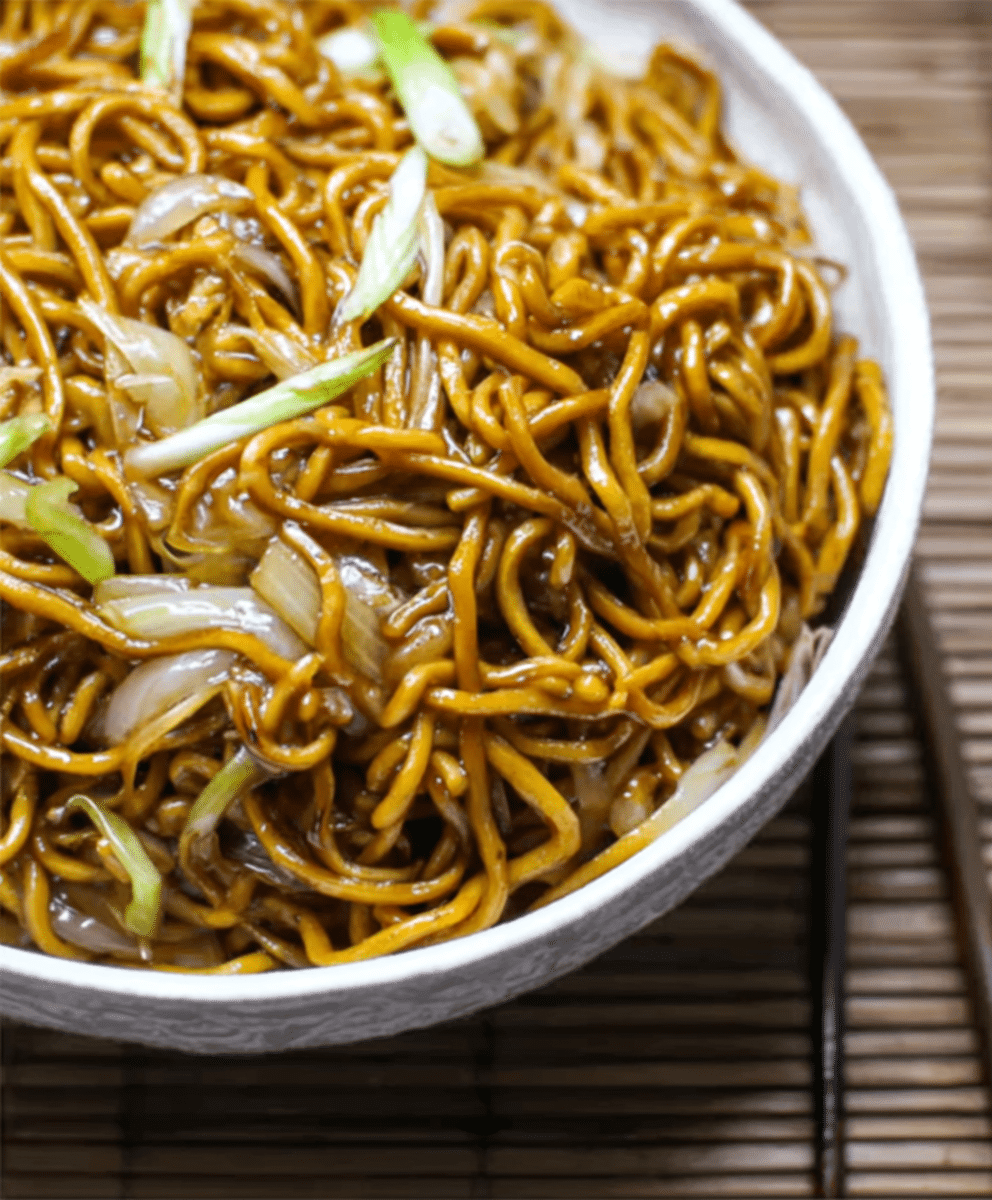
There’s nothing quite like the satisfying crunch of fresh vegetables combined with tender noodles coated in a rich, savory sauce. With this Classic Chinese Chow Mein, you can enjoy all the flavors of takeout right in your own kitchen—without the long wait or delivery fees. Whether you’re cooking for a weeknight dinner, feeding the family, or craving a quick pantry meal, this chow mein hits all the right notes.
Not only is it packed with flavor, but it’s also incredibly quick to make. In just 20 minutes, you can have a steaming bowl of noodles, vegetables, and sauce that tastes like it came from a restaurant, but with the comfort of homemade cooking.
Why This Recipe Stands Out
Unlike many quick stir-fry recipes, this chow mein is:
- Authentically Inspired: Uses classic Chinese sauces and cooking techniques.
- Flexible: Can be made with pantry staples if you don’t have access to specialty ingredients.
- Fast and Easy: From prep to plate in just 20 minutes.
- Customizable: Add protein, swap noodles, or adjust vegetables to suit your taste.
Why You’ll Love This Chow Mein
- Quick Weeknight Dinner: Ready in just 20 minutes.
- Pantry-Friendly: Can be made with simple ingredients already in your kitchen.
- Fresh and Vibrant: Crisp cabbage and optional bean sprouts add texture.
- Rich Flavor: Sweet soy, soy sauce, and oyster sauce deliver depth without complicated steps.
- Restaurant-Quality Taste: You won’t miss takeout once you try this.
Ingredients Breakdown
This recipe serves 4 and is organized for easy reference:
Main Ingredients
- 2 tablespoons canola oil
- 1/4 head cabbage, thinly sliced
- 2 cloves garlic, crushed and minced
- 12 ounces chow mein noodles, cooked a minute shy of package directions
Sauce
- 2 tablespoons sweet soy sauce (Kecap Manis; see note for homemade substitute)
- 2 tablespoons soy sauce
- 4 tablespoons oyster sauce
- 1 cup water
Optional Ingredients
- 6 ounces bean sprouts
- Sesame seeds for garnish
Tools & Equipment Needed
- Large skillet, wok, or sauté pan
- Wooden spoon or spatula for tossing
- Cutting board and knife
- Measuring spoons and cups
Optional: tongs for tossing noodles and serving bowls for plating.
Step-by-Step Instructions
1. Prep Your Ingredients
Slice the cabbage thinly and mince the garlic. If using bean sprouts, rinse and drain them. Cook the chow mein noodles according to package instructions but remove them a minute before they are fully done—they’ll finish cooking in the pan.
2. Heat the Pan
Place a large pan or wok over high heat. Add 2 tablespoons of canola oil. The high heat ensures quick cooking and helps retain the vegetables’ crunch.
3. Cook the Cabbage
Add the sliced cabbage to the pan. Stir-fry for 2–3 minutes until the cabbage begins to wilt. Then add the minced garlic and cook for another 30 seconds, taking care not to burn it.
4. Add the Sauces and Water
Pour in the soy sauce, sweet soy sauce, oyster sauce, and 1 cup of water. Stir well and bring the mixture to a boil for 1 minute. This creates a flavorful sauce that will coat the noodles evenly.
5. Add the Noodles and Bean Sprouts
Add your noodles and optional bean sprouts to the pan. Toss everything together until the noodles are fully coated with sauce and heated through.
6. Serve Immediately
Plate your chow mein in bowls or on a platter. Sprinkle with sesame seeds if desired, and enjoy while hot.
Tips & Variations
- Homemade Kecap Manis Substitute: Mix 1 1/2 teaspoons soy sauce, 1 1/2 teaspoons molasses or dark brown sugar, and a pinch of ground anise. This approximates the rich flavor of Kecap Manis.
- Noodle Swaps: If chow mein noodles aren’t available, yakisoba noodles work perfectly. Discard the seasoning packet and use only the noodles.
- Add Protein: Stir-fry chicken, shrimp, tofu, or beef before adding cabbage for a heartier meal.
- Vegetarian Option: Replace oyster sauce with mushroom sauce or soy-based vegetarian oyster sauce.
- Increase Veggies: Add bell peppers, carrots, snap peas, or baby corn for extra color and nutrition.
Flavor Profile & Pairings
This chow mein offers:
- Taste: Savory, slightly sweet, and umami-rich from the combination of soy, sweet soy, and oyster sauce.
- Texture: A perfect balance of tender noodles, crisp cabbage, and crunchy bean sprouts.
Side Dish Ideas
- Steamed or fried dumplings
- Crispy spring rolls
- Hot and sour soup or egg drop soup
- Light Asian cucumber salad
Nutritional Overview
Per serving (1/4 of recipe):
- Calories: 431
- Carbohydrates: 73g
- Protein: 14g
- Fat: 8g
- Fiber: 5g
- Sugar: 10g
- Sodium: 1,694mg
Dietary Notes: This recipe can easily be made vegetarian or vegan by swapping oyster sauce for a plant-based alternative. High in carbs for energy, with a moderate amount of protein.
Make-Ahead & Meal Prep Tips
- Prep Ingredients in Advance: Slice cabbage and garlic ahead of time to save 5 minutes on cook day.
- Cook Noodles Ahead: Noodles can be par-cooked and refrigerated for up to 24 hours. Reheat in the pan with the sauce.
- Leftovers: Chow mein keeps well in an airtight container in the fridge for 1–2 days. Reheat on the stovetop or microwave with a splash of water to prevent sticking.
FAQs
Q1: Can I make this gluten-free?
Yes. Use gluten-free soy sauce and oyster sauce alternatives. Check Kecap Manis substitutes for gluten-free options.
Q2: Can I add meat to make it a protein-rich meal?
Absolutely. Chicken, beef, shrimp, or tofu work well. Cook protein first and remove, then add back when tossing noodles.
Q3: Can I freeze chow mein?
It’s best eaten fresh. Freezing noodles can change their texture, but you can freeze the sauce and reheat with freshly cooked noodles.
Q4: Can I make this less salty?
Reduce soy sauce slightly or use low-sodium versions.
Q5: What can I substitute for Kecap Manis?
See our homemade substitute with soy sauce, molasses, and anise for a quick pantry-friendly solution.
Cooking Timeline (At a Glance)
| Task | Time |
|---|---|
| Prep | 10 min |
| Cook | 10 min |
| Total | 20 min |
Serving Suggestions
- Serve in bowls for individual portions.
- Garnish with sesame seeds or chopped scallions.
- Pair with a side of steamed vegetables or dumplings.
Recipe Variations
- Spicy Chow Mein: Add chili paste or Sriracha to the sauce for a kick.
- Seafood Chow Mein: Toss in shrimp or scallops for a light, elegant twist.
- Vegetable-Heavy Version: Add bell peppers, carrots, broccoli, and snow peas.
- Low-Carb Version: Use zucchini noodles or shirataki noodles instead of chow mein noodles.
Ingredient Spotlight
Chow Mein Noodles
- Selection: Use fresh or dried chow mein noodles. Dried can be rehydrated with a minute less than package instructions.
- Storage: Store in a cool, dry place; fresh noodles should be refrigerated.
- Cooking Tip: Cook noodles just shy of instructions—they finish cooking in the pan and absorb the sauce better.
Kecap Manis (Sweet Soy Sauce)
- Flavor: Thick, sweet, and complex, key to authentic chow mein.
- Storage: Keep in a sealed bottle in a cool, dark place.
- Enhancement: Homemade substitute works in a pinch with molasses and anise.
Pro Cooking Tips
- Cook cabbage on high heat to keep it crisp and flavorful.
- Toss noodles quickly with sauce to avoid mushiness.
- Use a wok if possible for even, fast cooking.
Storage & Freezing Guide
- Refrigeration: Store leftover chow mein in an airtight container for 1–2 days.
- Freezing: Freeze sauce separately; fresh noodles are best cooked fresh.
- Reheating: Stir-fry briefly on high heat with a splash of water to restore texture.
Nutrition Estimate Table (Per Serving)
| Nutrient | Amount |
|---|---|
| Calories | 431 |
| Protein | 14g |
| Carbs | 73g |
| Fat | 8g |
| Fiber | 5g |
| Sugar | 10g |
Dietary Notes: Vegetarian-friendly if oyster sauce is substituted; high in carbohydrates, moderate protein, low fat.
Expanded Conclusion
This Classic Chinese Chow Mein brings takeout flavors home in just 20 minutes. Quick, authentic, and versatile, it’s perfect for busy weeknights or a fast lunch. The combination of tender noodles, crisp cabbage, and savory sauce is comforting, flavorful, and totally satisfying. Try it tonight and see why homemade chow mein can easily rival any restaurant version. Customize with protein or extra vegetables, and don’t forget the sesame seeds for that finishing touch. Once you make this, it’s sure to become a regular in your dinner rotation.
Print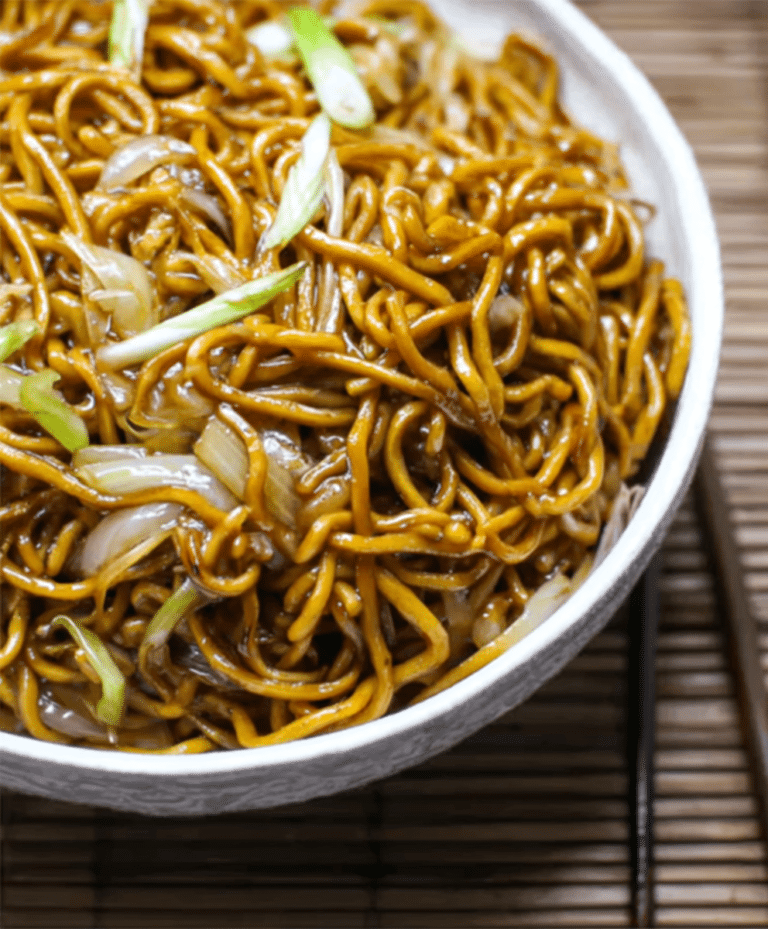
Classic Chinese Chow Mein Recipe
Classic Chinese Chow Mein with authentic ingredients and easy swaps to make this a pantry meal in a pinch! You won’t miss the takeout.
- Total Time: 20 minutes
- Yield: 4 servings 1x
Ingredients
- 2 tablespoons canola oil
- 1/4 head cabbage, thinly sliced
- 2 cloves garlic, crushed and minced
- 2 tablespoons sweet soy sauce (Kecap Manis)
- 2 tablespoons soy sauce
- 4 tablespoons oyster sauce
- 1 cup water
- 12 ounces chow mein noodles, cooked a minute shy of package directions
- 6 ounces bean sprouts (optional)
- Sesame seeds for garnish (optional)
Instructions
- Heat a large pan or wok on high heat.
- Add oil and cabbage, cook 2-3 minutes until wilted. Add garlic and cook 30 seconds.
- Add soy sauce, sweet soy sauce, oyster sauce, and water. Bring to a boil for 1 minute.
- Add noodles and bean sprouts, toss to coat.
- Serve immediately, garnish with sesame seeds if desired.
Notes
- Homemade Kecap Manis: 1 1/2 tsp soy sauce + 1 1/2 tsp molasses or dark brown sugar + pinch of ground anise.
- Substitute yakisoba noodles if chow mein noodles are unavailable.
- Prep Time: 10 minutes
- Cook Time: 10 minutes
- Category: Dinner
- Method: Stir-Fry
- Cuisine: Chinese
- Diet: Vegetarian
Nutrition
- Serving Size: 1 serving
- Calories: 431
- Sugar: 10 g
- Sodium: 1694 mg
- Fat: 8 g
- Saturated Fat: 0 g
- Unsaturated Fat: 0 g
- Trans Fat: 0 g
- Carbohydrates: 73 g
- Fiber: 5 g
- Protein: 14 g
- Cholesterol: 0 mg